

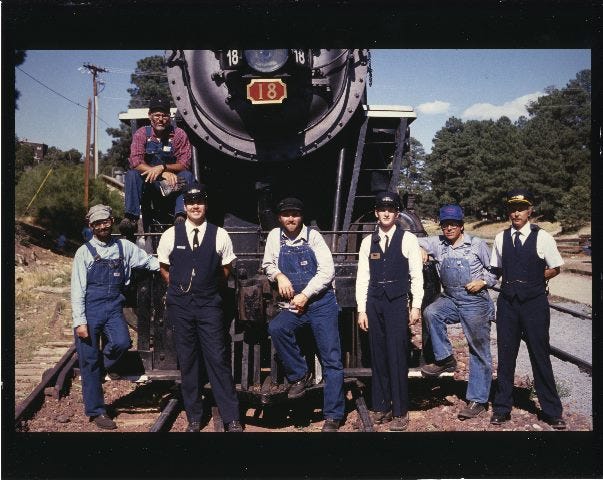
It’s 1989 in Williams, Arizona, and a railroad is being born around one of the hallmark natural attractions of the United States. As a skeleton crew of dedicated railroaders burned the candle from both ends to start this new railroad that would become a gateway to the Grand Canyon for billions of tourists, Mike Ramsey is drowning in federal documents and the General Code of Operating Rules. With background as a history buff, art teacher, and illustrator, Mike never pictured himself as the “safety guy” for a railroad. Though this new role at the upcoming Grand Canyon Railway would serve as his greatest challenge so far in life, and define the mark he would leave on railroads across the country as he made a career of working on the safe side.
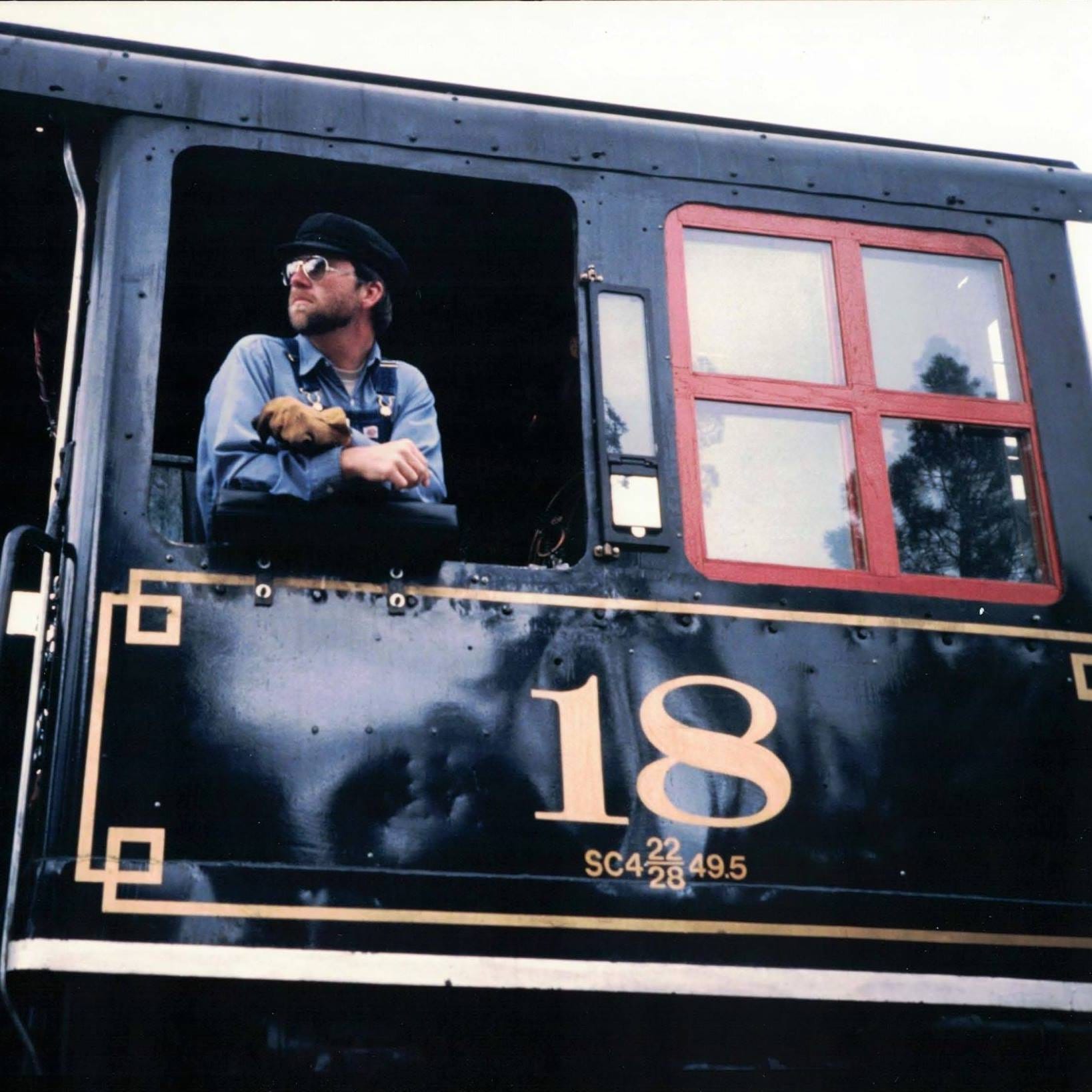
Safety is a word embedded in railroad culture nowadays – and the reasoning for it is frank: Trains are big, heavy, and can kill you. Railroading has always been a potentially hazardous career path, and am emphasis on working safely is paramount to conducting any business around a railroad. Though this rhetoric was not always the status quo – as Mike would tell you from his experience running locomotives at 16 years old after sneaking aboard a friend’s train for a cab ride. You didn’t have to look far to find a train in Littleton, Colorado, where Mike grew up in the 1960s. His father was an avid history enthusiast, which turned out to be a gateway for a love for railroads and eventually prompted him to open a hobby shop in their hometown. Mike quite literally “caught the bug” for liking trains, as evidenced by him actually throwing up from excitement before riding an excursion train on the Colorado and Southern in his early years! Painting the railroad tracks with his breakfast was the beginning of a long, complicated passion that would guide him to jobs, opportunities, and purpose throughout life. He began reading – mostly historical accounts – about Colorado and the railroads that conquered the state’s technical geography, and found himself trackside to wave to crews of the C&S, Santa Fe, and Denver Rio Grande and Western trains that grew shorter and more infrequent every day. He recalls him and some friends going to see the last passenger train ever operated by the railroad on the day before Amtrak would be formed and assume all passenger trains in the area in 1971. They all decided to jump on and ride the train one last time before Littleton Station would become just a wayside monument to its former self. The railroad industry was struggling in this era, but Mike was transfixed as he watched with his own eyes what would become a depressing chapter in today’s history books.
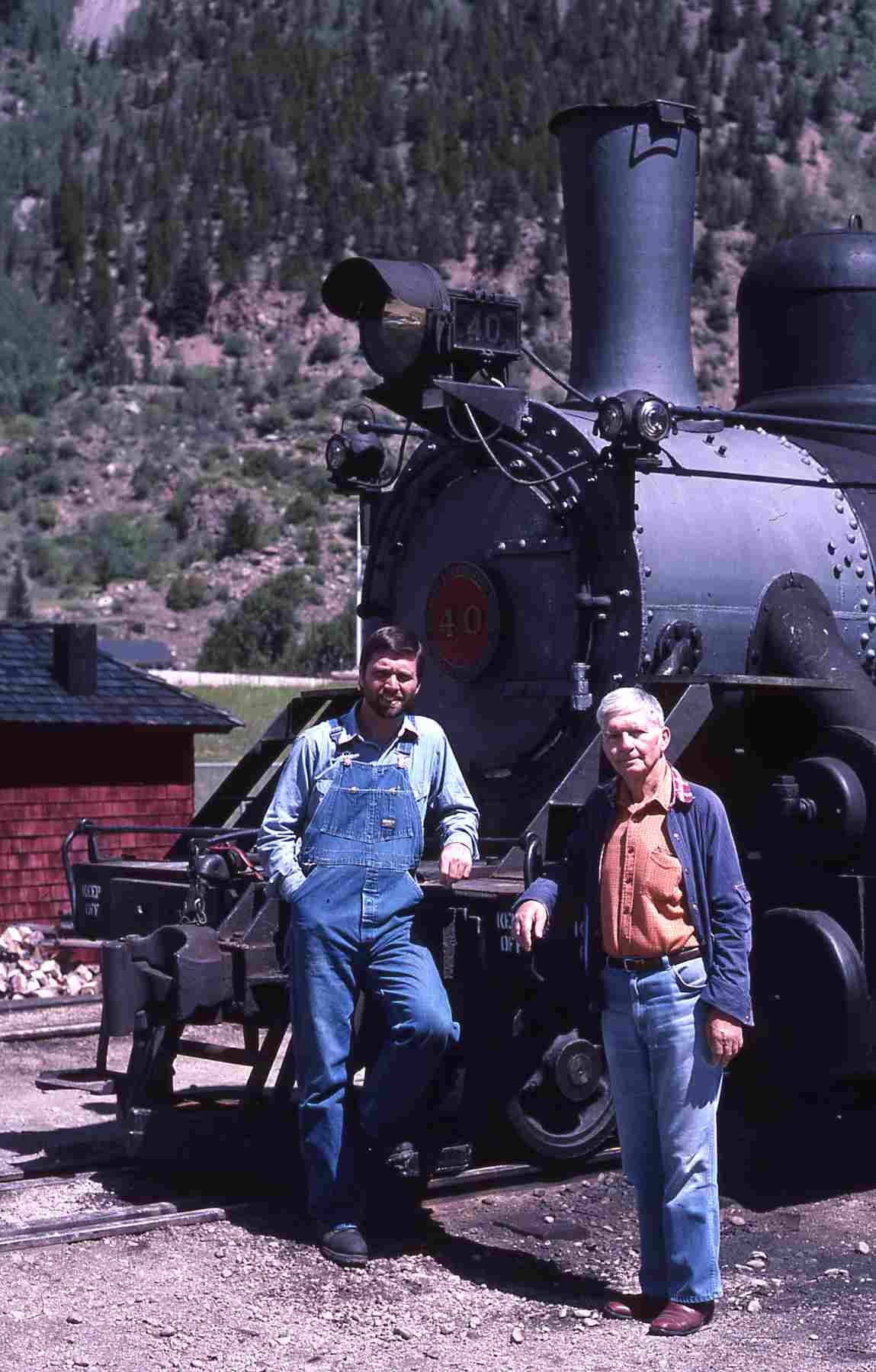
Upon leaving high school, Mike saw many of his friends hire out with the mighty D&RGW, the railroad known for running through the Rocky Mountains, not around them. His own drive to hire out had stalled after the same friend who once let him tag along for cab rides through the Moffat Tunnel recounted working conditions of early calls, long days, and not much time at home. Instead, he decided to pursue his passion for art, with hopes of being a teacher. He enrolled at Fort Lewis College in rural Durango, Colorado– a choice motivated by the in-state tuition, distance from home, and of course the famous Silverton Branch of the D&RGW. He returned to Littleton after his first year of school in 1975 to help run his dad’s hobby shop after a year of general education courses and observing the steam railroad find ways to survive in the late 20th century – rekindling his own desire to find a career on a railroad. After his sophomore year of school, he spent the summer working at the Georgetown Loop, another tourist railroad that used steam locomotives and vintage train cars to provide views of the beautiful Colorado landscapes, getting an introduction to the various trades involved with keeping steam locomotives in operation. The next year he marked up as an engineer on the Loop, having learned the craft from men who had been railroading since the golden era of the industry. Following his graduation, he ping-ponged between the Loop and Durango – interrupted by a brief stint at the Cumbres and Toltec Scenic Railroad – where he and his now-wife decided to try and make the little town of Durango their permanent landing. Mike took up substitute teaching while history was once again being written on the Silverton Branch as the mighty D&RGW sold off the line to a new operator with hopes of turning the podunk branch into a worldwide tourist attraction. Hoping to finally break into the railroad scene in Durango, Mike made his presence known around the roundhouse, and after some persuasion and a promise to always show up, he was hired onto the Durango and Silverton as their 12th employee. His first job was working overnight to keep the locomotives ready for their next call to service after a day of running the 45 miles between the two namesake towns, but the need for more enginemen in the operating department would soon bring Mike back into the cab of a steam locomotive, carrying trains on his back while he shoveled coal for three hours straight on the journey through the San Juan mountains. Workplace culture at the time was tough, and the hours were tougher. Gruff men who didn’t take kindly to Mike’s self-stated “hippy” identity would work the engines hard, making the job of the fireman even harder. Crews consistently worked shifts longer than the sun was up, and Mike would return home from work several shades darker and several pounds lighter. But the steady paychecks and his overall love for the craft kept him at the railroad, and those who live in Durango know that it’s a hard town to stay in, but even harder to leave.
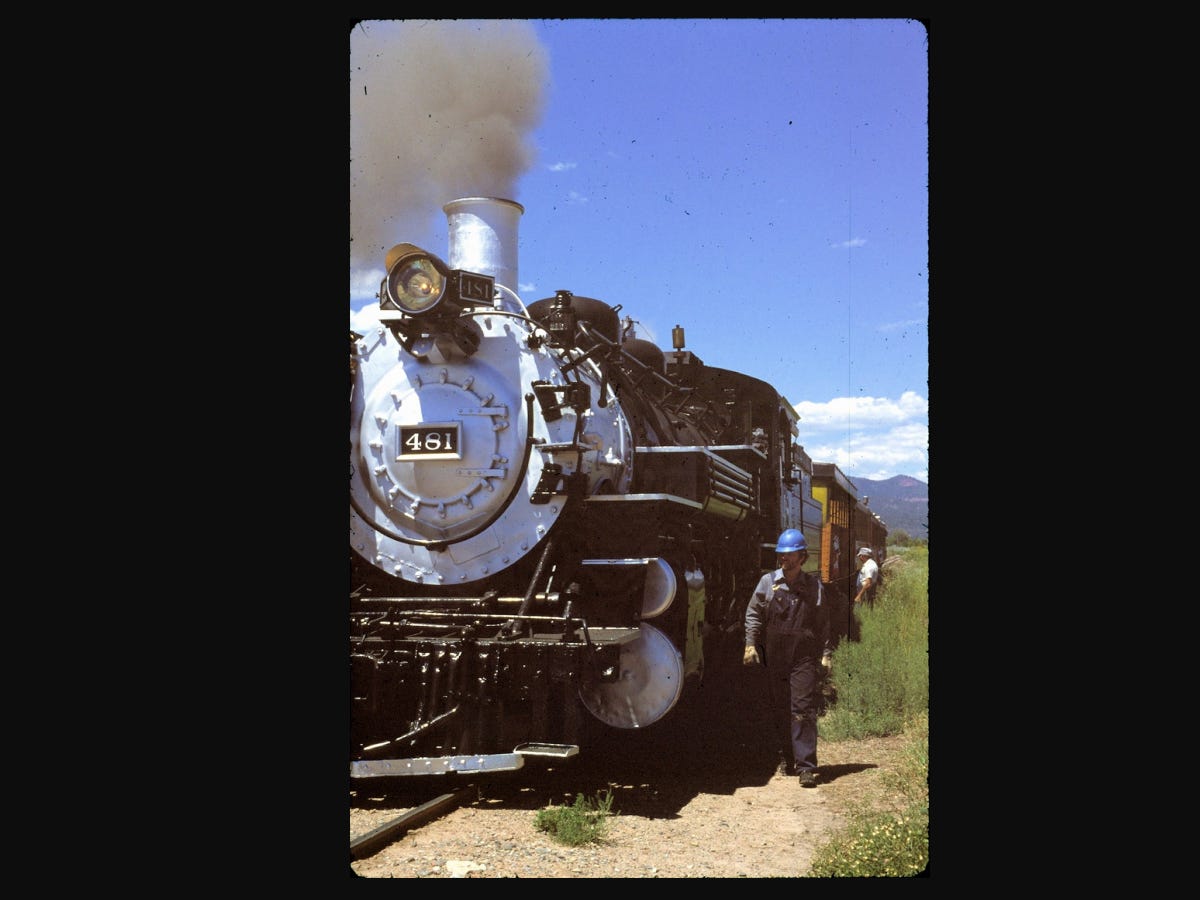
1984 saw a job offer for Mike to work as a machinist in the Durango and Silverton shops after bouncing between general labor, swing shifts, and firing for many years. His breadth of knowledge and technical abilities far surpassed what his younger self could have ever imagined, and he was grateful to have found a place in both the industry and town that he loved – though, the tough culture at the railroad had taken a toll on him and his coworkers. A safety-sensitive incident was the breaking point for Mike – but it also inspired a new appreciation for safe working principles that would guide him later. He and his wife went north to Grand Junction, where Mike worked as a teacher and paint salesman and would journey across the state in the summers to resume his employment at the Georgetown Loop. He would however travel back to Grand Junction between his workweeks to see his wife, a promise that his boss at the Loop forced him to hold true on. This arrangement went on for two years until a former coworker called with information about a new railroad prospect in Arizona: An old freight line from the Santa Fe was being reborn to become a tourist hauler to the Grand Canyon, and Mike came in with enthusiasm to help begin the railroad, though this time, he maintained the contents of his stomach.
The small crew building a railroad operation from the ground up meant that no person wore just one hat, and Mike eventually found himself in the role of overseeing railroad operations, dispatching, and rules. After years of slaving over shovels, lathes, boilers, and amelite grease guns, Mike learned to railroad with the hardest tool of all: A pen! It took months of studying the Code of Federal Regulation (CFR), historical rule books, track warrants, and so much more literature to even begin to frame how the paper side of this steel-based industry operates. Having seen three railroads now go through a similar rebirth, this was Mike’s first time directly being a part of the process. The railroad wasted no time in getting started with running trains though, operating while every facet of the young company was under construction. The time served as an opportunity to experiment and test with rules and operating practices, seeing what worked in the field and what did not as Mike drew up the Timetables and Special Instructions for the railroad’s rule books (with his wife doing the artwork). The elementary months of the Grand Canyon Railway were the foundation for building the theory behind the rules, and this process came with many challenges, failures, struggles. Being the trainmaster of the blooming railroad was demanding and painstaking, Mike would recount this job being “The hardest thing I’ve ever done!” He can specifically recall battling a language barrier with some of the maintenance-of-way employees who spoke primarily Spanish; having them understand the reasoning behind why certain rules existed was a challenge his broken Spanish was not equipped for – especially since he had just found himself understanding the theory behind the rules. However, on a recent visit to his former workplace, Mike was proud to connect with one such employee who now is in charge of the whole roadway department!


Mike’s tenure with the Grand Canyon is one of the proudest hallmarks of his railroad career, but he felt a call to move once the railroad had gotten off the ground. He took a job as a state Rail Safety Inspector in Arizona, and later was recruited by the Federal Railroad Administration to oversee projects all across the western United States in 1997. He was first stationed in California, inspecting operating practices of the various railroads that spanned across the lengthy state. This work was a new challenge for Mike, but his experience of understanding the relationship between rules at the GCRY helped him look to see the larger system one line of text in a rulebook would contribute to – a point he would preach to the many individuals he oversaw. He continued with the FRA, taking an inspector position in 2003 that would bring him home to Colorado and soon be responsible for system safety across all passenger railroads in the greater area. Through Mike’s career with the FRA – especially in this new role – he hoped to emphasize a proactive approach to safety that encourages all the players in building, maintaining, and operating railroads to think about how their roles work as a system. He oversaw the compliance of several short-line rail and commuter outfits during his time, along with advising on continual upgrades to existing infrastructure and prospective future operations, giving advise that came from historical, operational, and sometimes even artistic perspetives. Mike also worked between other transportation agencies – namely the Federal Transit Administration – to understand their practices and continue to empower employee bodies to be advocates of safety. Mike was proud to have touched so many operations in a field he truly believes in, and though much of his work was overshadowed by administration turnovers, his career with the FRA made a lasting impact in the safety culture that is essential for getting trains to their destinations and getting railroaders home every night.
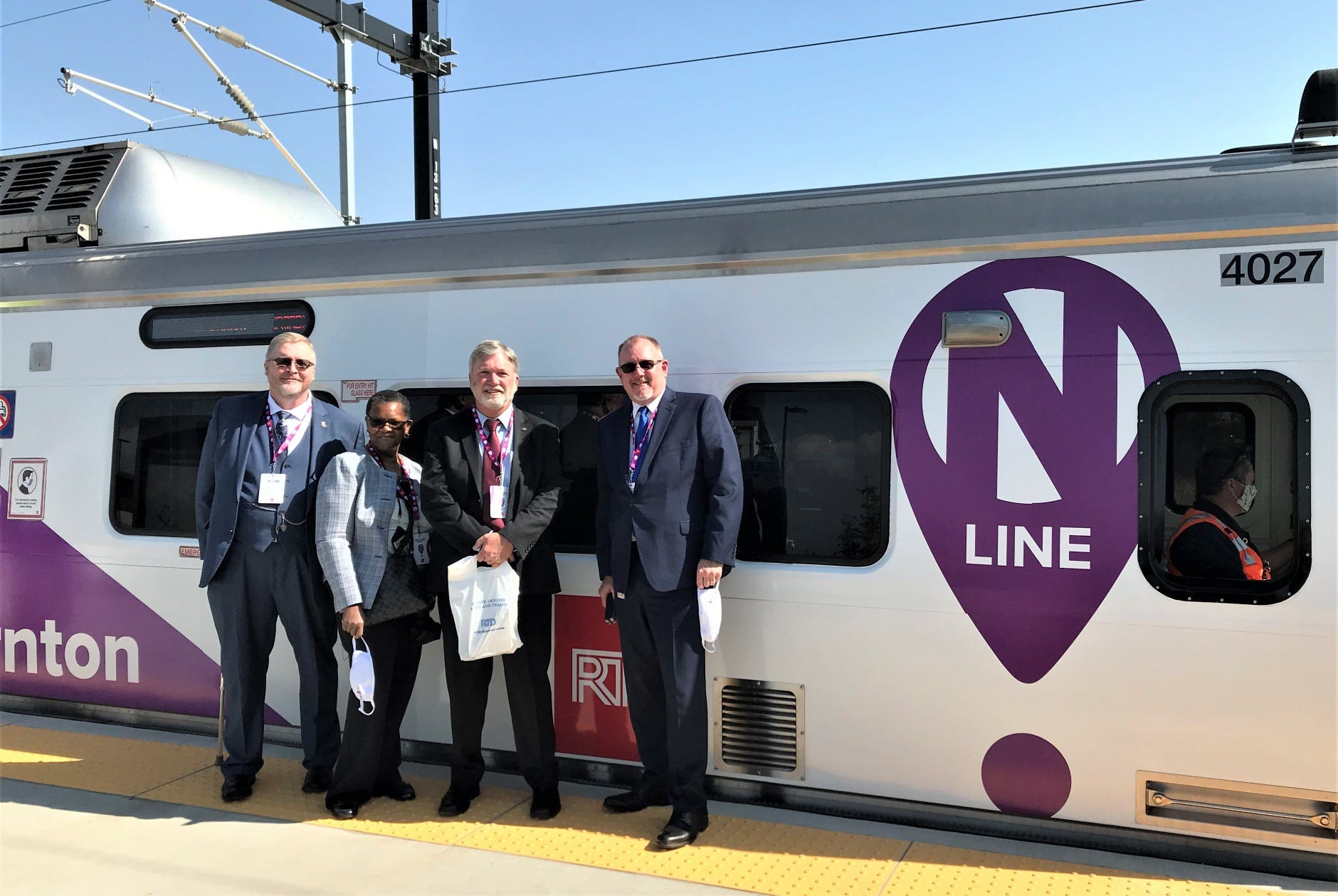
Even after retiring back to the quaint town of Durango, Mike once again found himself neck deep in a rule book, now serving as a safety consultant (and occasional fireman) for the Durango and Silverton and their sister railroads owned by the same company. His hope for the future of railroading – both as a train enthusiast but also still “the safety guy” – is for competent groups of railroaders to use rulebooks as directions for solving problems and working as safely and efficiently as possible. While rules are not the “sexiest” part of railroading (already a low bar), they serve an important function to protect the most important thing carried by trains – people. With a career spent bouncing between railroads and different trades at each respective site, Mike always walks on the safe side, and hopes to have empowered others to do the same – all while loving the craft that became his life.
Thank you all for reading this installment of Behind the Throttle, and thanks to Mike for joining us! Tune in for our May issue publishing the first Monday of the month. In the meantime, I’m Max Harris – joined by Nick Martin and Jonah Collins – and we’ll see you down the line.