

It’s 2001 in rural Indiana, and the silence of the farmland surrounding the Gramling home-front is shattered by a shrill steam whistle. After buying his first steam locomotive in 1991, Barney Gramling slowly pieced it back together and – to the surprise of his doubting neighbors – was running it back and forth on panel track in his driveway. The small – yet mighty – tank engine would be the first of three locomotives that Barney and his father would restore and travel the country with, bringing steam power to small railroads and historical organizations that lacked their own. His long railroad career began with a group of old-school men giving him opportunities that would make a modern-day safety regulator shudder – though his early hands-on experiences helped him find a passion and ambition for a industry bigger than himself. Now, he aims to help other people see the same magic that he once experienced through a storied industry and personified machines that the public can get up close with and even operate! Today, we meet Barney Gramling – Have Steam, Will Travel
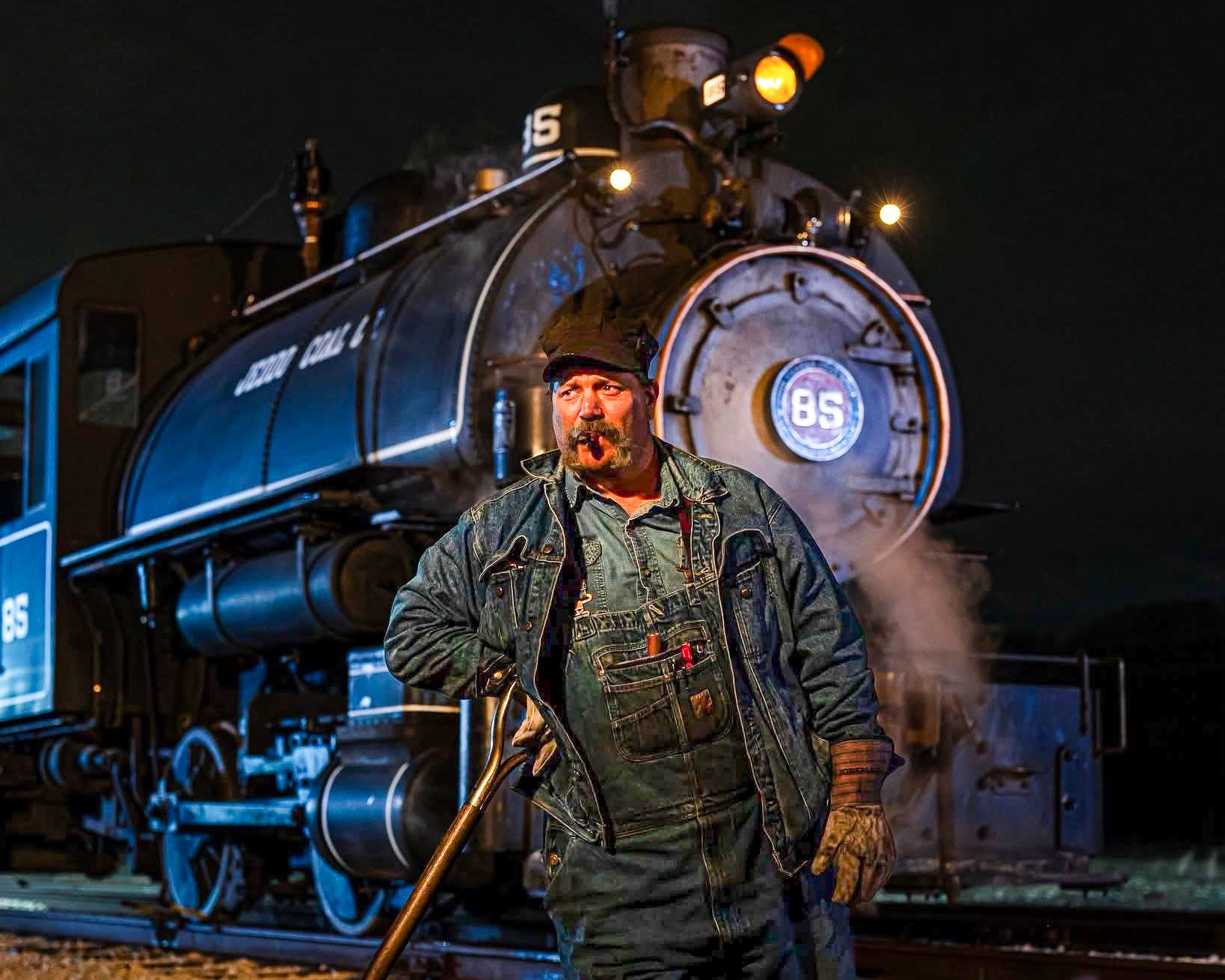
.It’s easy to understand how the train-bug got to Barney at a young age: One of his earliest memories came from riding with his grandfather on a regular passenger train, where his grandfather somehow talked his way into riding in the baggage car with the doors wide open at speeds up to 50 miles per hour! Standing in what pretty much became a wind tunnel with a locomotive’s horn cutting through the roar of the air would have any young boy enthused, and Barney certainly felt the pull of adrenaline from the experience. His grandfather, also an avid railroad buff, continued to take Barney on side quests to ride excursions, see circus trains, and spend time together trackside appreciating the industry and machinery; The quality time drove the hook deeper and his captivation with railroads only grew – especially after seeing a mainline steam locomotive cruising along a track-speed on one such outing.
The early 1980’s were a tough time for the railroads, especially near Barney’s childhood home in rural Indiana. The ample train-tracks that criss-crossed the farmland were all becoming overgrown and sinking into the plains below as the industry faced hardships with the rise of trucking and private transportation. Still, many railroads persisted, and train enthusiasts had always been motivated to offer excursions and keep machines from yesteryear in service. A group of such people over at the Little River Railroad, an excursion railroad not far from Barney’s home, took note of the young enthusiast that often was trackside when they ran trains with their steam locomotive. At one point, at age 14, Barney was offered a ride in the cab of the locomotive, and soon was offered a chance to pull the throttle on the fire-breathing machine that towered over his young self. This experience led Barney to be around the railroad much more, and he found himself lending his time to paint and maintain the railroad’s passenger cars. His summers in high school were spent at the railroad, and before he even had a driver’s license Barney was trusted as a locomotive engineer. Terry Bloom, the railroad’s owner, gave Barney a green light to be involved in any capacity, and Barney’s dad was in favor as he felt the railroad would keep Barney from getting into trouble. “Boy, how that backfired!”, Barney recounted with a chuckle!


Past Barney’s graduation from high school, he began studying at college but soon would leave his degree in favor of working for the railroads: “I liked trains and kinda liked the money”, he explained bluntly. He found a likeness to working on track and infrastructure for the railroads as he enjoyed seeing a physical product at the end of a day’s work. Working now for the Michigan Southern Railroad, Barney saw first-hand the struggles that came with keeping small shortlines afloat in tough economic circumstances. He and the rest of the track crew would band-aid the line together just enough to the weight of one more train, not knowing if there would be another train afterwards. When Michigan Southern was sold to a larger company, Barney left and found himself with a job offer from Conrail, but quickly made a vertical jump to Amtrak when he was offered an engineer job, a highly-desirably position that offered good pay and decent conditions. 1998 saw Barney travel to world-famous Wilmington, Delaware, for Amtrak’s engineer training program. His instructor promptly called him out on his first day in class as “the real railroader in the room”, given that he was wearing comfortable clothes and had his lunchbox in his lap. His classroom time with Amtrak filled a major gap in his understanding of the railroads, as he knew much about how locomotives and their appliances worked, but not much about why they worked. Several “aha!” moments later, he graduated from the class and began running trains out of Waterloo, Indiana, going west to Chicago and east to Pittsburgh. 11 months later, he was qualified to run trains over 2,500 miles of track, taking the throttle for some of Amtrak’s well-known long distance trains, like the Three Rivers, the Capitol Limited, and the Lake Shore Limited.
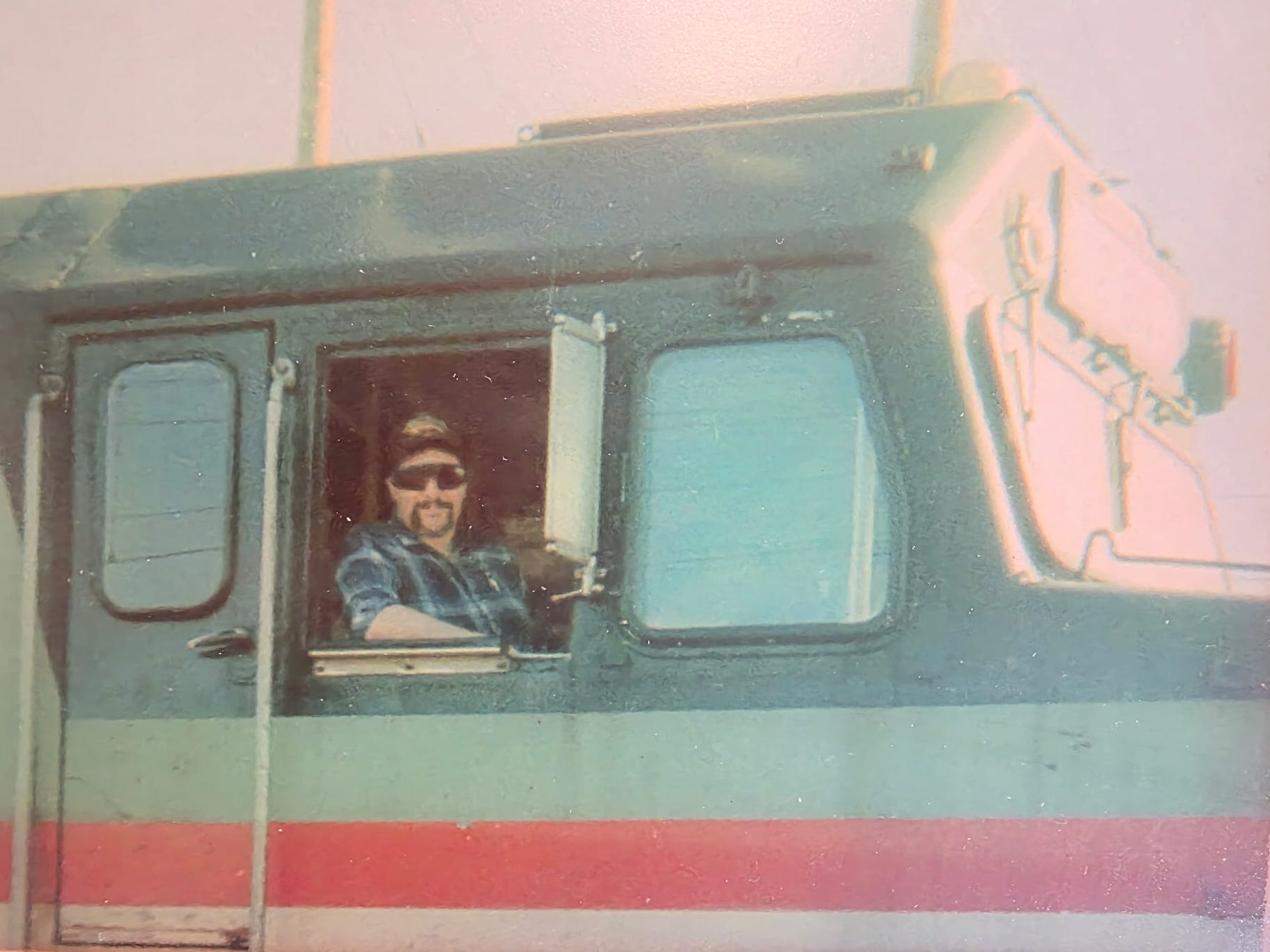
Barney’s career with Amtrak had him running trains with a need for precision and quick action. The speedometer on his locomotives often reached 80 and beyond as he hustled his trains across the plains of Ohio and into the western mountains of Pennsylvania. At the time of his employment, Amtrak had a contract with several freight customers to ship small carloads of material on Amtrak trains, adding to the challenge of Barney’s operation. Variable train lengths and weights – with all of the heavy cars on the rear of the train – made being an engineer a constant mental game. He added, “If you knocked over soup in the dining car, you wouldn’t get coffee at the next station!”. Thinking back to his time as a student engineer, Barney remembers one particular instance where his trainer was sitting behind him reading a newspaper as his train toiled across the plains of Indiana. Coming up to a downgrade, Barney was slow to kick his brakes on, and his train suddenly was traveling well-beyond the posted speed limit! He managed to get the speed down before too long, and noticed his trainer had set his newspaper down and was peering at him with a sly smile. He remembers the trainer saying “I bet you won’t do that again” with a chuckle, a moment that showed Barney that the best teachers will let you screw up and learn from yourself. Further, he found that learning what not to do can be as important – if not more– than learning what to do in many cases, even outside of railroading. All seven years of Barney’s Amtrak career were spent on the extra board, meaning that he was called for jobs at inconstant hours and spent many nights – over 200 by his count – in hotels away from home. Amtrak taught him how to really run trains and gave him the invaluable skill of being an engineer, but he was ready for a lifestyle that left him home with his wife more once year eight came around.
Past Amtrak, Barney began on his tricks of bouncing between rural shortlines in Indiana again, even working as the Chief Mechanical Officer for the Steam Railroading Institute – the nonprofit that serves as the caretaker for the famed Pere Marquette 1225 locomotive – for a brief period. All while moving between these different railroads, a new project was forming in his garage, much to the surprise of his neighbors. At the encouragement of Terry Bloom, Barney had purchased his first steam locomotive in 1991, and had been tinkering with it in his free time. Flagg Coal 75 is a small 0-4-0 type locomotive, known as a “tank engine” as it carries water in a large cistern mounted on top the boiler. The small locomotive spent it’s life in service working at coal mines in northeast Pennsylvania after being built by the Vulcan Locomotive works in the early 1930s. Unintimidated by the project before him, many people around Barney began to doubt the engine would ever run – all the more motivation for him to finish this long shot project. The restoration was much easier said than done though, and even involved him buying a second locomotive of a similar make to use as a parts source!


Barney succeeded with the help of his dad and support from his wife, and a new endeavor was born from their restoration efforts. After taking the locomotive to Trainfest in 2004 to join a slew of other steam locomotives in a celebration of railroading, Barney saw just how easy it was to load up the small engine onto a lowboy and bring it to anywhere with track. Before long Barney and his dad found themselves “on tour”, taking their tank engine to small tourist railroads around the country without the means to restore their own locomotive, offering small communities a chance to see and ride behind a steam engine where it otherwise wouldn’t be possible. They even offered opportunities for guests to climb into the cab and operate the locomotive, giving many people a chance to be an engineer, just like he was given at 14-years-old. With a fleet of now three operable tank engines, all from the same manufacturer and about the same vintage, Barney and his father spent a handful of years running their locomotives at 30 different railroads across 23 states! The operational and mechanical challenges of keeping the locomotives steaming without a dedicated steam shop lead to many adaptations to the locomotives however, including the installation of some modern hardware in a historic sense. Barney explained that should a part fail on a locomotive, he can simply run to a local hardware store and find a replacement valve in many cases thanks to his adaptations. Plus, railroads surely would have adapted the same practices should steam still be the standard power, he believes!
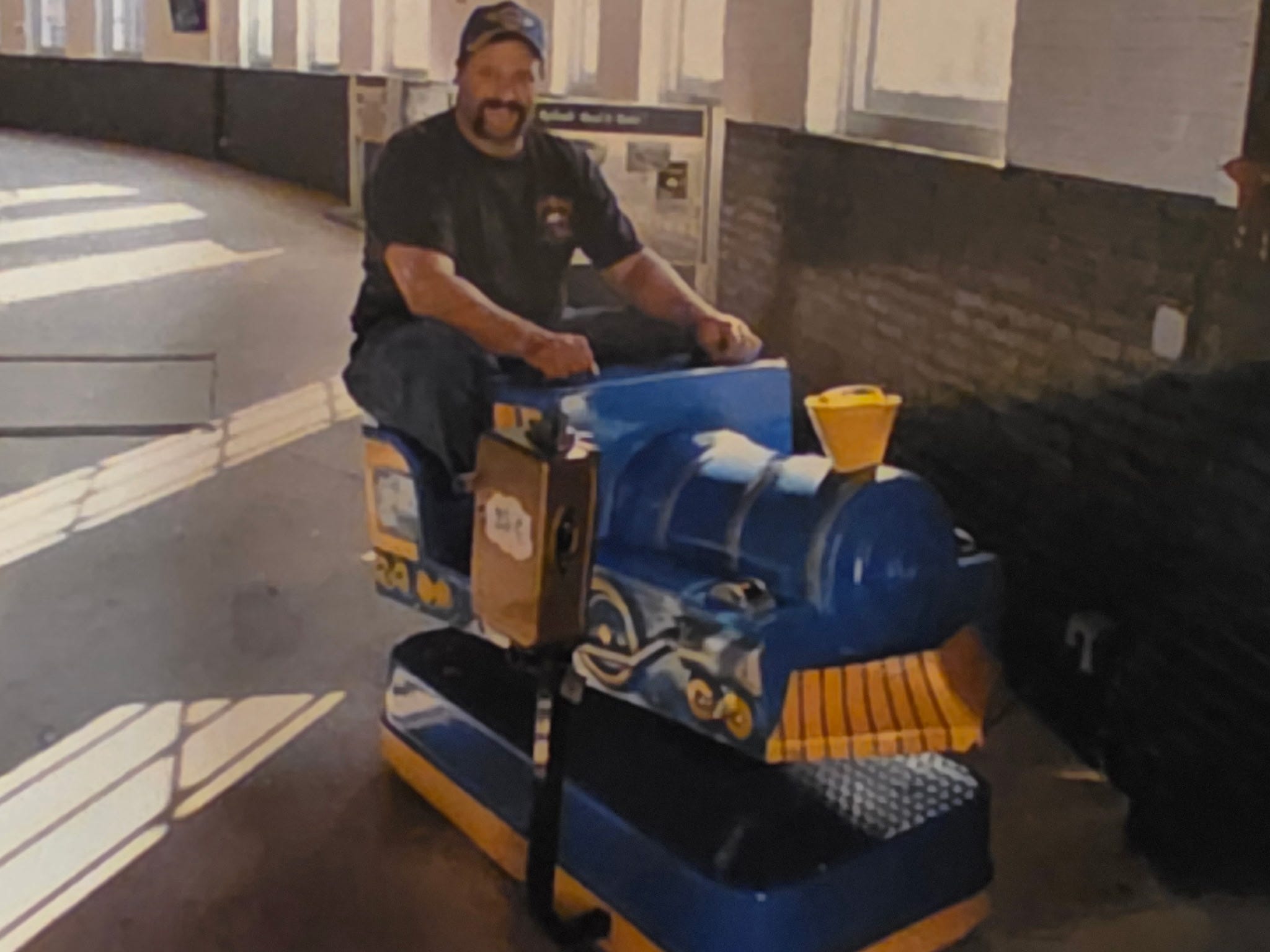
After long tours with their locomotives Barney has scaled back on traveling with steam, but still makes a few trips every year to a handful of museums and tourist railways. He’s also since returned to the Indiana Northeastern Railroad, running trains and continuing to hone craft of being an engineer that he first learned at just 14 years old. His time in the railroad industry – working on the mainlines, shortlines, and in the historic realm – has taught him the power a railroad holds in their communities. He’s seen lovers reunited on station platforms, farmers send out their livelihood in hopper cars, and families come together to enjoy a train ride, one of life more simple pleasures. Further, he’s beyond proud of he and his dad’s efforts in their traveling tank engines, having facilitated so many people from all walks of life achieve a dream of running a steam locomotive. He noted that he loves seeing people have fun and learn something, especially “Kids that are 90 years old or kids that are 5 years old”. He feels that his tank engines are small enough not to be scary, but once his guests climb into the cab they know they’re on a real locomotive. He recalls once helping a legally blind young man run one of his tank engines, and practically became blind himself as he fought off tears as the young man’s family cheered them on. Similarly, a 96-year-old man who spent his career as a roundhouse foreman for the Baltimore and Ohio Railroad came to see one of his locomotives, and Barney could see the gentleman reliving his past life through the machine he worked hand-over-foot to restore. His hope with his efforts is to usher a new generation of steam and railroad enthusiasts, who have passion but also drive and capability to keep these machines running and inspiring people to come together. A generous and jovial crew got Barney started with railroading well before he knew the trouble it would cause, and after a life, passion, and career with trains, Barney wouldn’t have had it any other way.
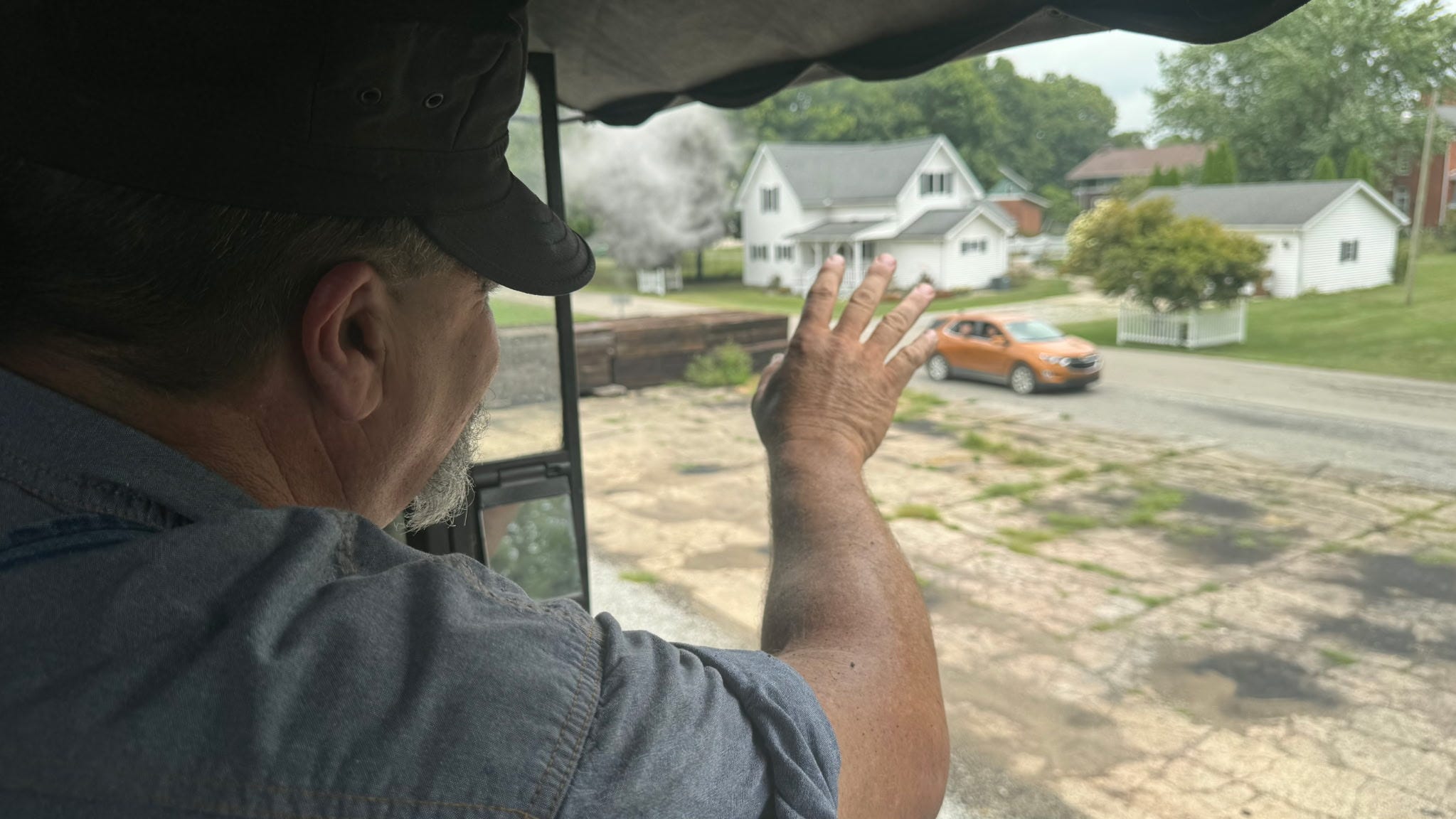
Thanks all for reading this edition of Behind the Throttle, and thanks to Barney Gramling for sharing his story with us! Tune in next month for another spotlight of a dedicated railroader and preservationist! Until then, I’m Max Harris – joined by Nick Martin and Jonah Collins – and I’ll see you down the line.
what a great story! Thanks to all for sharing; this is what life is all about, especially if you love trains like I do! Cheers
Max, you helped me piece together the details of a memory. I rode in the cab of Amtrak’s Capitol in March of 2000 from Chicago to Toledo with an engineer who cut his teeth on the 110. I'm all but certain now that it was Barney. Its a small world.